EV Charger Installation Cost in Toronto
Most Toronto homeowners pay between $1,000 and $2,500 to install a Level 2 EV charger. The cable run from your panel to the parking spot is the single biggest factor.
Published
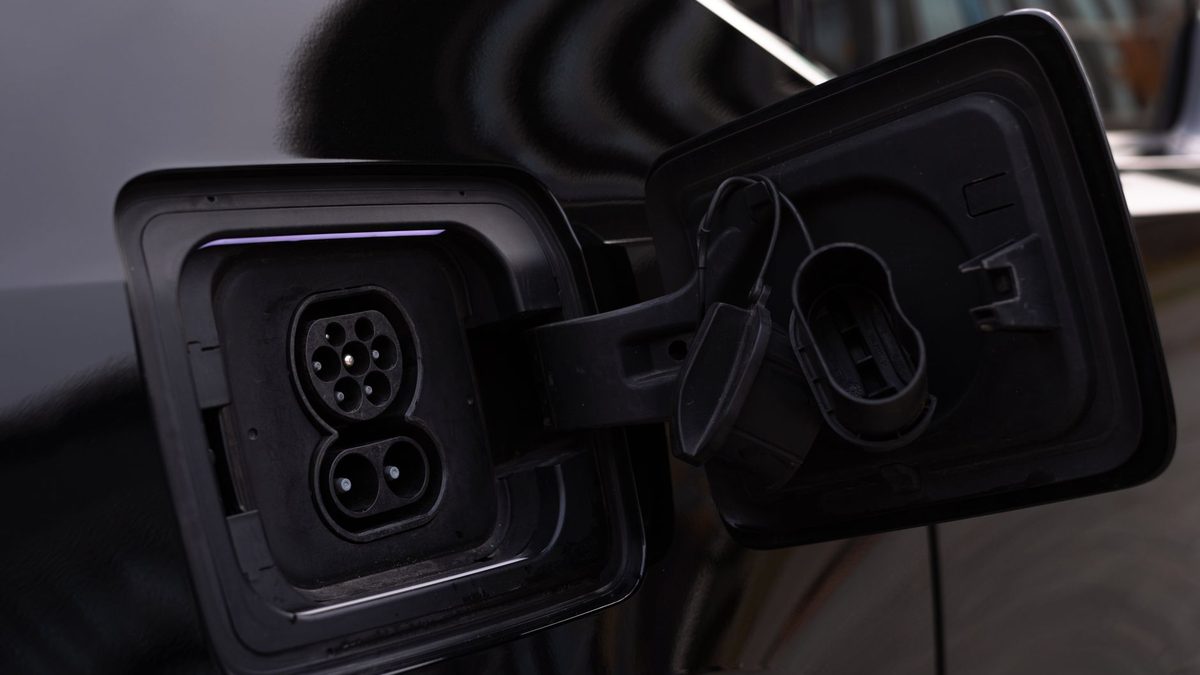
If you are pricing a home charger in Toronto, the honest range for a standard Level 2 installation is roughly $1,000 to $2,500, with the permit and ESA inspection included. Toronto EV Charger Pros sees most jobs land in the middle of that band. The number moves with how far the charger sits from your electrical panel, whether your panel has room, and the quirks of older Toronto housing stock. This guide breaks down where the money actually goes so you can read a quote with confidence.
What you are paying for
A fixed-price Level 2 charger installation in Toronto usually bundles five things: a dedicated 240-volt circuit and breaker, the cable run from the panel to your parking spot, mounting the charger, the electrical permit, and the ESA inspection. The hardware itself, the wall charger, may or may not be in the quote depending on whether you supply your own unit.
Typical Toronto cost ranges
| Scenario | Typical range |
|---|---|
| Panel beside the parking spot, short run | $1,000 to $1,400 |
| Average detached or semi, 10 to 20 metre run | $1,400 to $1,900 |
| Long run, finished walls, or detached garage | $1,900 to $2,800 |
| Job that needs a panel upgrade or subpanel | add $1,500 to $3,500 |
What pushes a Toronto quote up
Older homes in areas like Leslieville, The Junction, and East York are where surprises hide. The common cost drivers are:
- Distance and routing. A long cable fished through finished basement ceilings or up to a detached garage takes more labour and material than a short open run.
- Panel capacity. Many older Toronto homes sit on a 100-amp service. If a load calculation shows no headroom, you may need a panel upgrade or load management.
- Outdoor and laneway parking. Weather-rated equipment and trenching add cost. See our laneway charger guide for that situation.
- Charger choice. A hard-wired unit, a Tesla Wall Connector, or a plug-in NEMA 14-50 outlet each carry slightly different labour.
Where you can save
The cheapest installs are the boring ones: panel in the garage, charger a few feet away, modern 200-amp service. If your panel is near where you park, you are already on the low end. A smart charger can also let you avoid a panel upgrade by managing load, which can save thousands compared with a full service upgrade.
Permits and ESA in the price
An electrical permit and an ESA inspection are required for a hard-wired charger or a new 240-volt outlet in Toronto. EV charger installation should be completed by an ESA-licensed electrical contractor, and the permit and inspection should be folded into your flat price rather than billed as a surprise later. A signed-off install also protects you for insurance and at resale.
Rebates and what to ask about
Incentives for home EV charging change over time, and they come from a mix of sources: federal programs, the province, and occasionally a utility or manufacturer offer. Rather than quote figures that may be stale, the practical move is to check the current federal and Ontario programs before you buy, and to ask your charger manufacturer whether any rebate applies to their unit. Keep your paid invoice and the ESA inspection record, because rebate claims almost always require proof of a permitted, inspected install. That is one more reason to use an ESA-licensed contractor rather than an informal job.
How to compare two Toronto quotes
When you have a couple of numbers in hand, compare them on more than the bottom line. Check that each one includes the permit and ESA inspection, names the wire gauge and breaker size, states whether the charger unit is supplied, and specifies conduit for any exposed run. A cheaper quote that leaves out the permit or undersizes the wire is not actually cheaper. A clear, itemized quote from a licensed contractor is worth more than a vague lower number.
What to send before requesting a quote
You will get a firm number faster if you send a few details up front:
- Your EV make and model, or the charger you plan to use
- A photo of your electrical panel with the door open
- A photo of where you park and where you want the charger mounted
- Rough distance from the panel to the parking spot
Pulling together an estimate for your home is quick once we can see the panel and the run. Send your photos and details through the quote form and EV charger installers in Toronto will reply with one fixed price, permit and inspection included.
Frequently asked
How much does it cost to install an EV charger in Toronto?+
A standard Level 2 home charger installation in Toronto typically runs $1,000 to $2,500 with the permit and ESA inspection included. The biggest variable is the cable distance from your panel to where you park. Jobs that also need a panel upgrade cost more, which a load calculation confirms before any work starts.
Does the price include the permit and inspection?+
It should. A reputable Toronto installer folds the electrical permit and the ESA inspection into the fixed price so there are no surprises. Always confirm this is included before booking, because an uninspected install can cause problems with insurance and at resale.
Is the charger unit included in the installation cost?+
Sometimes. Some quotes include the wall charger, others assume you supply your own. A basic Level 2 unit runs roughly $400 to $900 on its own. Ask whether the quote is install-only or install plus hardware so you are comparing like for like.
Why is my quote higher than my neighbour's?+
Usually distance and panel capacity. If your panel sits far from your parking spot, or your home is on an older 100-amp service that needs upgrading, the labour and material climb. Two houses on the same street can differ by over a thousand dollars for those reasons.
Can I lower the cost without a panel upgrade?+
Often yes. A smart charger with load management can share your existing service safely, which avoids the cost of a full panel upgrade in many Toronto homes. A load calculation tells you whether that is an option for your house.