Laneway EV Charger Installation in Toronto
Charging from a Toronto laneway means an outdoor-rated charger and a feed that often crosses the yard from a basement panel. Cable routing and weather protection are what make or break the job.
Published
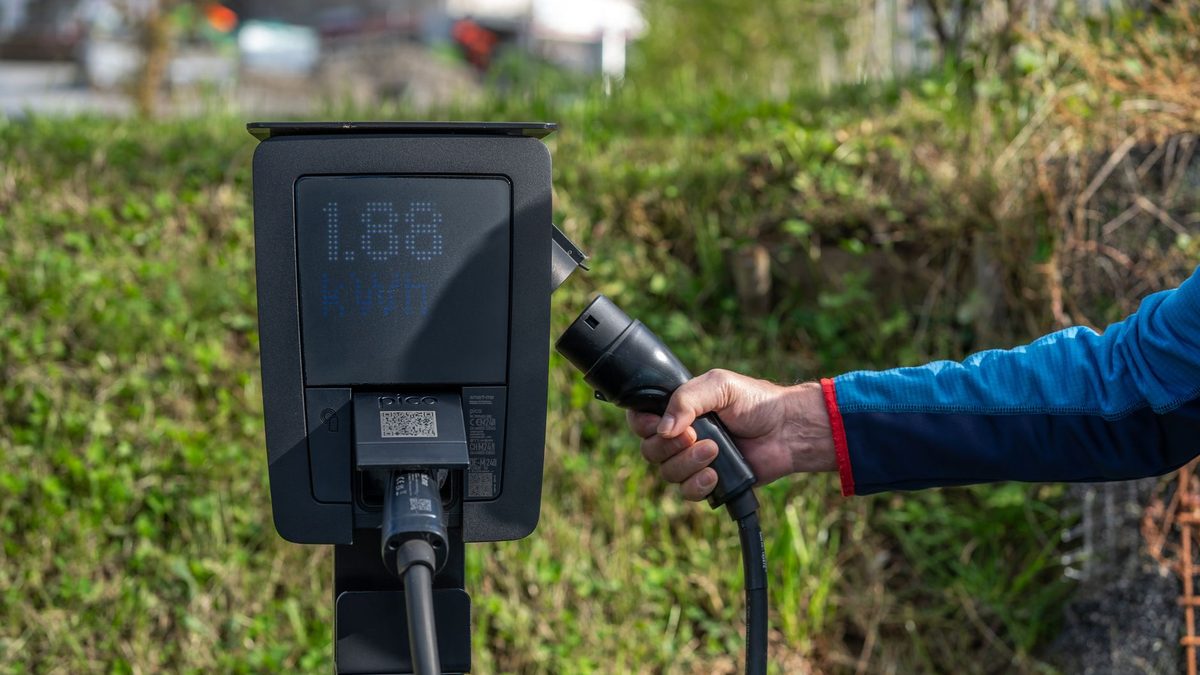
Toronto's laneways and rear-lane parking are a charging puzzle unique to the older city. Toronto EV Charger Pros installs chargers for homes where the car sits behind the house, off a lane, with the panel a long way inside. This guide covers the routing, the equipment, and the planning that a laneway job needs.
The core challenge: distance and weather
In most laneway setups the electrical panel sits in the basement at the front of the house, and the parking pad is at the very back. That means a long feed, often across a yard, ending at an outdoor-rated charger exposed to Toronto winters. Both the distance and the exposure shape the design.
Cable routing options
Getting power from the panel to the lane usually takes one of these paths:
- Overhead along the house and an existing structure, where feasible
- Underground in a trench across the yard, the most common and tidiest for a clean pad
- Along a fence line or garage wall in conduit
Trenching is frequent for laneway jobs because it keeps the run protected and out of sight. We bury the feed at the proper depth in conduit and bring it up at the charger location.
Weather-rated equipment
A laneway charger lives outdoors year round, so the unit and every connection must be rated for it. We use outdoor-rated chargers, weatherproof enclosures, and proper sealing so snow, rain, and freeze-thaw cycles do not cause trouble. A Tesla Wall Connector or a universal Level 2 unit rated for outdoor use both work well here.
Panel distance and voltage drop
A long run introduces voltage drop, where the charger sees slightly less voltage than the panel supplies. We account for this by sizing the wire correctly for the distance, sometimes a heavier gauge than a short run would need. This is part of why laneway jobs cost a bit more, and why the wire sizing should never be cut to save money.
Panel capacity still matters
Distance aside, the same capacity question applies. Many laneway homes in areas like Leslieville and the west end are on older 100-amp services. A load calculation checks the headroom, and where it is tight, a panel upgrade or a load-managing smart charger keeps the install safe.
Permits, ESA, and doing it once
Laneway installs are exactly the kind of job where shortcuts cause regret. EV charger installation should be completed by an ESA-licensed electrical contractor, with the trench, the wire sizing, and the outdoor terminations all done to code and inspected. Done properly the first time, a laneway charger is reliable for years.
Permits, locates, and digging safely
A trench across a Toronto yard means digging, and digging means knowing what is already underground. Before any excavation, buried utility lines should be located through Ontario One Call, the free locate service that marks gas, hydro, and other services so the trench avoids them. This is a safety and legal step, not an optional one, and a licensed contractor builds it into the schedule. Alongside the electrical permit and ESA inspection, the locate is part of doing a laneway job correctly rather than guessing where the gas line runs.
Keeping an outdoor charger reliable
An outdoor charger asks for very little maintenance, but a little attention keeps it trouble-free through Toronto winters. Keep the unit and its connector clear of built-up snow and ice, give the cable a quick visual check each season for wear, and make sure the mounting and enclosure seals stay intact. Quality outdoor-rated equipment is built to shrug off the weather, so this is light-touch upkeep rather than a chore. Done right at install time, a laneway charger simply works year after year.
What to send before requesting a quote
- A photo of where you park off the lane and where you want the charger
- A photo of your panel with the door open
- A rough idea of the distance from the panel to the parking pad
- Whether the yard is open for a trench or obstructed
Parking off a laneway and want it done right? Send your photos to the Toronto EV Charger Pros team through the quote form and we will design the routing, size the feed, and quote one fixed price with the trench and inspection included.
Frequently asked
Can I install an EV charger at a Toronto laneway parking spot?+
Yes. Laneway and rear-lane charging is common in older Toronto, using an outdoor-rated charger fed from the home's panel. The main considerations are the cable routing across the yard, weather protection, and the distance from the panel, all of which a proper design handles.
How is power run to a laneway charger?+
Usually by trenching an underground feed across the yard in conduit, which keeps the run protected and tidy. Overhead or fence-line routing is sometimes an option. The charger sits on an outdoor-rated unit at the parking pad, brought up from the buried feed.
Does a long cable run cost more?+
Yes, somewhat. A longer feed needs more wire and often a heavier gauge to manage voltage drop over the distance, plus trenching labour. That is why laneway jobs typically cost more than a short garage run. The wire sizing should never be reduced to cut cost.
Will an outdoor charger handle Toronto winters?+
Yes, when the right equipment is used. Outdoor-rated chargers and weatherproof terminations are built for snow, rain, and freeze-thaw cycles. We seal every connection and mount the unit so it operates reliably year round.
Do I need a panel upgrade for a laneway charger?+
Not necessarily. The distance does not change your panel's capacity, but many laneway homes are on older 100-amp services. A load calculation checks the headroom, and load management or a panel upgrade is only needed if the numbers are tight.