Level 2 EV Charger Installation in Toronto
Plan a dedicated 240-volt charger circuit for your Toronto garage, driveway or laneway. Output depends on the EV and available electrical capacity.
Published
Updated
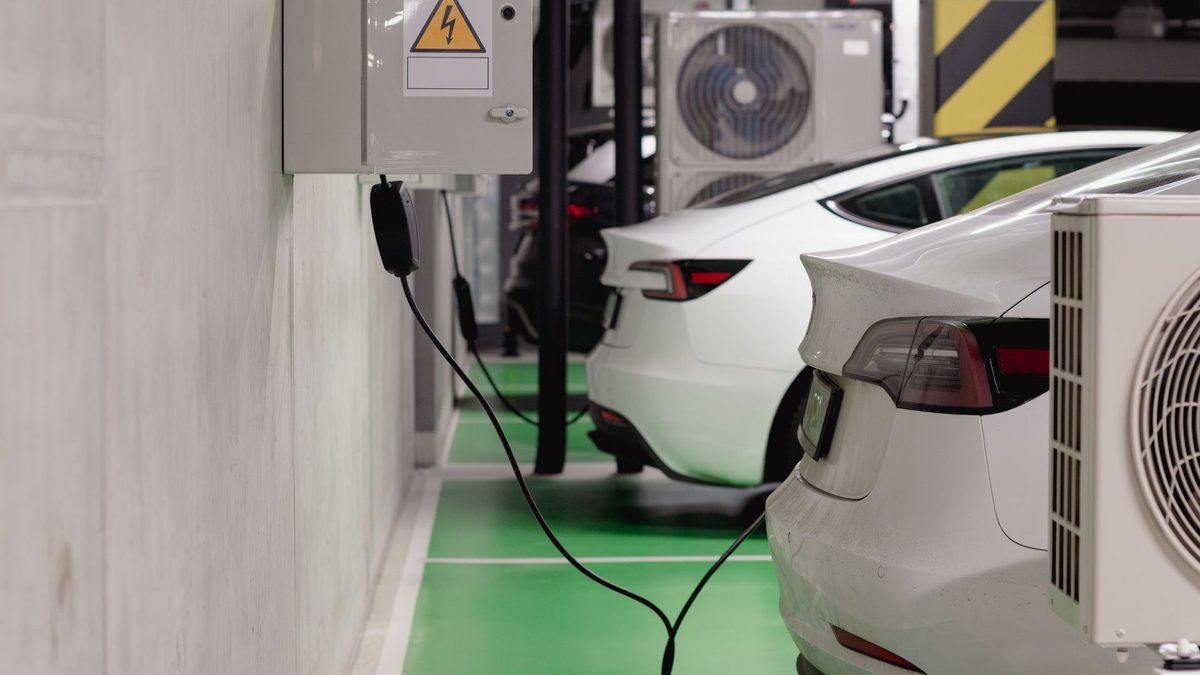
Planning Level 2 charging in Toronto starts with the vehicle, parking location and available electrical capacity. A garage circuit can involve different work from a driveway or detached-building feed. This guide covers charging speed, panel checks and the details to discuss before agreeing to installation.
Level 1 versus Level 2 in plain terms
Level 1 is the cord that comes with the car, plugged into a regular outlet. It claws back maybe 6 to 8 km of range an hour, which is fine if you drive very little and useless if you commute across the city or out to Mississauga. Level 2 runs on a dedicated 240-volt circuit and adds roughly a rate matched to the vehicle and circuit, so a typical overnight session covers a full day of Toronto driving with room to spare.
Older Toronto homes and panel capacity
A useful question for homes in The Annex, Riverdale and North York is whether the panel can take a charger. Many can. Plenty of older homes are on a 100-amp service, and that is where a load calculation matters. Your contractor should measure your existing demand against the new charger circuit to see if there is headroom. If the panel is full, a panel upgrade or a smart charger with load management keeps everything within safe limits.
Garage, driveway, and the cable run
Where you park shapes the job. An attached Etobicoke garage with the panel a few feet away is a fast, clean install. A detached garage or a basement panel that needs a cable fished up and across takes longer and costs a bit more. Your contractor should route the wiring to keep it tidy, conduit where it is exposed, and finished cleanly where it enters living space.
Charger speed and your specific EV
A Level 2 charger can deliver up to 48 amps, but the real ceiling is your car's onboard charger. Most EVs accept 32 to 48 amps. Your contractor should size the breaker and the unit to your vehicle so you are not paying for capacity the car cannot use, and so the install is future ready if you upgrade vehicles. If you drive a Tesla, the Tesla Wall Connector page covers that specific setup.
Overnight charging and Toronto Hydro
For your Toronto charging schedule, scheduling can shift energy into a lower-price window on TOU or ULO. Tiered pricing depends on monthly use instead of the hour. Use the vehicle or compatible charger settings, check the selected plan and allow for the energy needed and time parked. A schedule alone does not guarantee a full battery or a saving on the whole bill.
Choosing the right charger brand
Once you commit to Level 2, the next choice is the unit itself. Brands to compare for a Toronto project include Tesla, ChargePoint, Wallbox, Grizzl-E, FLO, and Emporia. The differences that actually matter to a homeowner are amperage, whether it is hard-wired or plug-in, cable length, outdoor rating, and whether you want app features. A simple, rugged unit suits a homeowner who just wants to plug in and forget. A connected unit suits someone who wants scheduling and energy tracking, which the smart charger page covers. Compare compatibility and features against your needs, and confirm the equipment options with the provider.
Future-proofing the install
It is worth thinking one car ahead. If a second EV is likely, sizing the circuit and choosing a unit that supports power sharing now saves a second visit later. Running a slightly heavier feed or leaving panel space for a future circuit is cheap when the walls are already open and expensive once they are closed. Your contractor can flag these small, low-cost decisions during the assessment so your setup still fits in three or four years.
Installation facts and equipment guidance
ESA notification and contractor requirements explain electrical-work responsibilities. Manufacturer charging guidance explains why output varies by vehicle and power supply. Ask the confirmed contractor to apply those requirements to your Toronto project.
First enquiry and later project review
Start with the short enquiry form: first name, preferred contact details and postal code. After first contact, the service provider may request the project details and photos below. The form does not take attachments.
- Your EV model and its supported charging output
- A photo of your panel with the door open
- A photo of the parking spot and the proposed charger location
- Whether you want a hard-wired unit or a plug-in setup
Start with Get A Free Quote. Your enquiry goes to the service provider, which may ask for panel and parking photos after first contact and confirms the contractor, scope, price and availability.
Frequently asked
How fast is a Level 2 charger in Toronto?+
Estimate the session from actual vehicle consumption, the agreed current and time parked. A laneway car arriving late has a different window from one in a garage all night, even on the same circuit rating.
Will a Level 2 charger work with my older Toronto panel?+
A contractor should assess existing demand before deciding on current for the older service. In a Toronto retrofit, that capacity question is separate from finding an accessible route to the driveway or detached garage.
Do I need a 200-amp service for Level 2?+
Not every Level 2 circuit needs a 200-amp service. The permitted current and household demand determine suitability, with a compatible managed design considered where appropriate; an equipment rating alone cannot decide an upgrade.
How long does a Level 2 install take?+
A route through finished rooms or to a laneway building differs from an accessible garage feed. The provider confirms timing after equipment, capacity and any building or utility dependencies have been reviewed.
Hard-wired or plug-in, which is better?+
Choose the connection permitted for the exact model and assessed circuit. Consider portability, mounting and a suitable receptacle where applicable; actual charging power still depends on current, supply voltage and the vehicle.