How Much Does It Cost to Charge an EV at Home in Toronto?
Charging an EV at home in Toronto costs most drivers $30 to $60 a month if they charge overnight on time-of-use rates. That works out to far less than the equivalent in gasoline.
Published
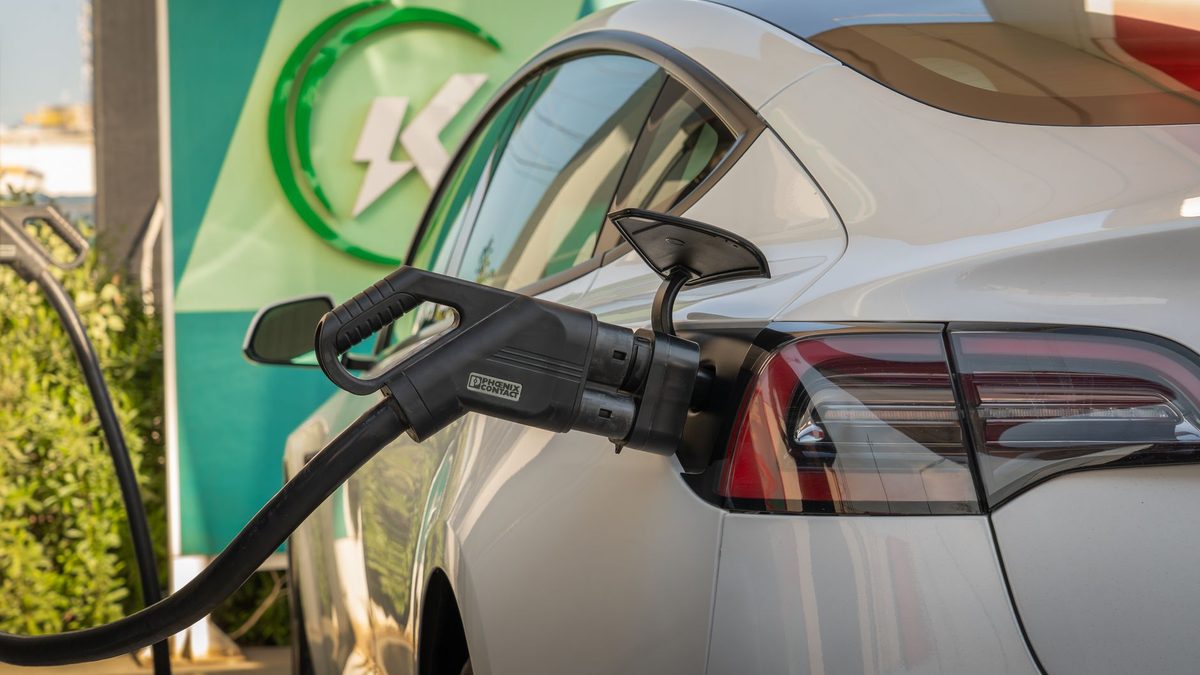
The sticker price of an install is a one-time thing, but the electricity bill arrives every month, and that is where Toronto drivers come out ahead. Toronto EV Charger Pros wires homes so the car tops up during Toronto Hydro's quietest, cheapest overnight hours. This guide shows how the math works on those rates, with real examples you can map to your own driving.
The simple formula
Home charging cost comes down to three numbers: how many kilometres you drive, how much energy your EV uses per 100 km, and the price per kilowatt-hour you pay. Most EVs use 15 to 20 kWh per 100 km. Multiply your monthly distance by that efficiency, then by your overnight rate, and you have your bill.
Worked Toronto examples
| Driving | Energy used | Monthly cost (overnight rate) |
|---|---|---|
| 1,000 km / month | about 180 kWh | roughly $25 to $35 |
| 1,500 km / month | about 270 kWh | roughly $38 to $52 |
| 2,000 km / month | about 360 kWh | roughly $50 to $70 |
These assume charging during the cheapest overnight window. Charge during peak afternoon hours instead and the same kilometres cost noticeably more, which is the whole argument for scheduling.
Why overnight charging wins
Toronto Hydro bills residential customers on time-of-use or tiered pricing, and the overnight window is the cheapest rate of the day. A Level 2 charger set to start after the off-peak period begins means your car fills up at the lowest price while you sleep. Our Toronto Hydro rates guide covers the billing windows in detail.
Level 1 versus Level 2 cost
A common myth is that Level 2 charging costs more to run. It does not. The energy to add a kilometre of range is the same either way. Level 2 simply delivers it faster, which actually helps, because a faster charger finishes within the cheap overnight window while a slow Level 1 cord can spill into pricier morning hours.
Smart chargers and saving more
A smart charger automates the savings. You set it to charge only during off-peak hours, and many models report exactly how much energy and money each session used. Some can respond to utility signals or app schedules so you never have to think about it. Over a year the difference between scheduled and unscheduled charging adds up.
Comparing with gasoline
To put it in context, a gas car driving 1,500 km a month can easily cost $180 to $220 in fuel. The same distance in an EV charged overnight in Toronto is closer to $40 to $50. That gap is the running-cost case for going electric, before you count maintenance.
Home charging versus public charging
Home charging is not just more convenient than public charging, it is usually much cheaper. Public Level 3 fast chargers around Toronto are priced for speed and convenience, often several times your overnight home rate per unit of energy. They are great for road trips and the occasional top-up, but relying on them for daily charging erases much of the savings of driving electric. The home setup is what makes an EV cheap to run, with public charging as the backup rather than the main plan. A useful way to think about it is that your driveway becomes your own private gas station, open every night at the lowest price in town, and you only visit a public charger when you are away from it.
Winter and seasonal range
Toronto winters do affect charging, and it helps to expect it. In cold weather an EV uses more energy per kilometre because of cabin heating and reduced battery efficiency, so your monthly cost can rise noticeably from December through February. Preconditioning the car while it is still plugged in, which warms the battery and cabin using grid power rather than the battery, softens the hit and means you leave with a full, warm battery. A smart charger that schedules a finish time right before you leave makes this easy.
What to send before requesting a quote
- Your EV model and roughly how far you drive each month
- A photo of your panel, so we can size a charger that finishes overnight
- Where you park, garage or driveway
Want a charger set up to charge at the cheapest hours automatically? Tell the Toronto EV Charger Pros team about your driving through the quote form and we will spec a Level 2 setup tuned for low overnight running costs.
Frequently asked
How much does it cost to charge an EV at home in Toronto?+
Most Toronto drivers spend $30 to $60 a month charging at home, assuming they charge overnight on time-of-use rates. The exact figure depends on how far you drive and your car's efficiency, but it is far below the equivalent gasoline cost.
Is it cheaper to charge overnight in Toronto?+
Yes. Toronto Hydro's overnight window is the cheapest rate of the day, so scheduling your charger to run after off-peak begins minimizes the bill. Charging during peak afternoon hours costs significantly more for the same energy.
Does Level 2 charging cost more to run than Level 1?+
No. The energy to add range is the same for both. Level 2 just delivers it faster, which often helps you finish inside the cheap overnight window rather than spilling into more expensive hours that a slow Level 1 cord can reach.
How do I calculate my own charging cost?+
Take your monthly kilometres, multiply by your car's efficiency of about 15 to 20 kWh per 100 km, then multiply by your overnight rate per kilowatt-hour. That gives a close estimate. A smart charger can report your actual usage so you do not have to guess.
Will charging an EV spike my Toronto Hydro bill?+
It adds a predictable amount rather than a spike, usually $30 to $60 a month for typical driving when you charge overnight. Setting the charger to off-peak hours keeps that addition as small as possible.