Condo EV Charger Installation in Toronto
Installing an EV charger in a Toronto condo is doable, but it runs through the board and property management. Approval, metering, and electrical capacity are the three things that decide your timeline.
Published
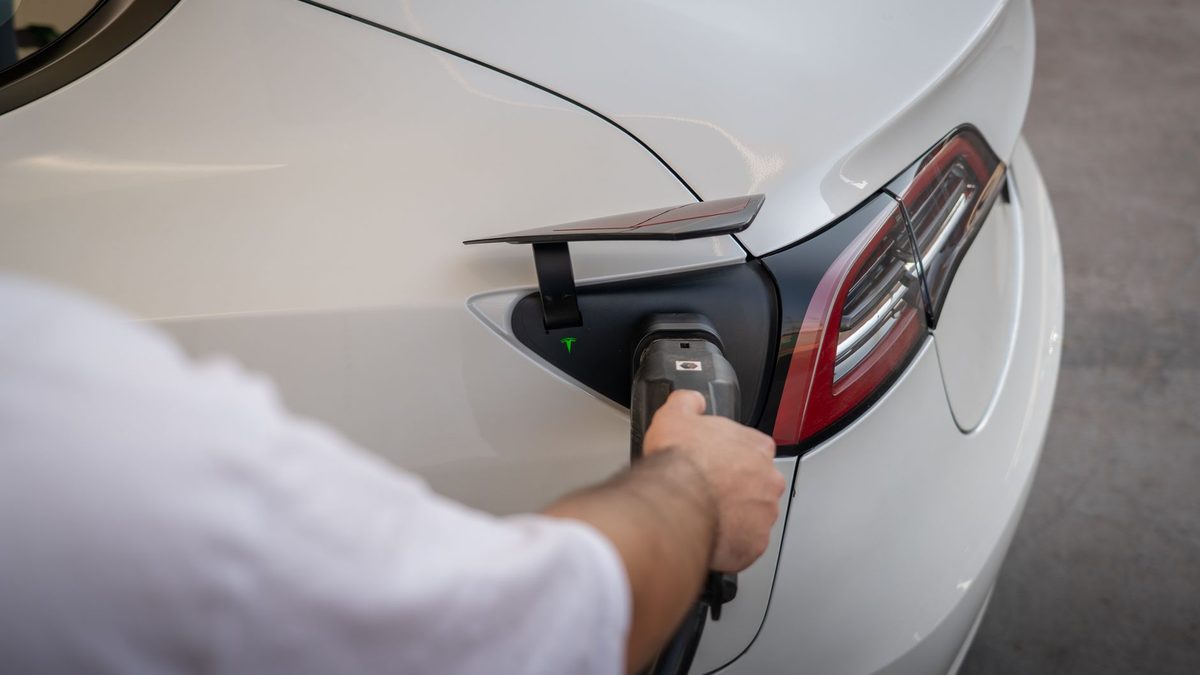
Condo charging is a different animal from a house, and Toronto has plenty of EV owners navigating it. Toronto EV Charger Pros helps condo residents work through the approvals and the electrical realities of charging in a shared building. This guide sets out the process so you know what to expect before you start.
Your legal right to ask
Ontario condo rules give owners a defined path to request an EV charger installation in their parking space. The board cannot unreasonably refuse, but they can set conditions around cost, insurance, metering, and how the work is done. Understanding that framework is the first step, because it shapes every conversation with property management.
The approval process
A typical Toronto condo install follows these stages:
- Submit a request to the board or property manager describing the charger and parking spot
- Provide an electrical assessment of the building's capacity at your spot
- Agree on cost responsibility, metering, and insurance
- Receive board approval, then schedule the licensed install and inspection
The paperwork is usually the slow part, not the wiring. Building this in early keeps your project moving.
Electrical capacity in shared garages
The technical question is whether the building's electrical service can feed a charger at your spot. Some Toronto buildings have spare capacity and a clear path from a panel to the parking level. Others are tight, and may need an EV-ready infrastructure assessment or a shared charging solution. An ESA-licensed electrical contractor evaluates the route and the available load before anything is promised.
Metering and who pays for power
In a condo you cannot simply run charging off the building's common power, because someone has to pay for it. The usual answer is a dedicated meter or a smart charging system that tracks your usage and bills it back to you. Networked chargers that handle this are common in larger Toronto buildings, and they keep the cost fair and transparent.
Realistic timelines
A house install is often same-day. A condo install is measured in weeks to months, mostly because of board approval cycles and any infrastructure assessment. The wiring itself, once approved, is quick. Setting expectations on the approval timeline up front avoids frustration.
Buildings planning ahead
If your building is considering charging for multiple residents, a planned approach beats one-off installs. Shared infrastructure with networked metering scales better and avoids overloading the garage. Our commercial and multi-unit page covers building-wide projects, and our service areas page shows where we work across the city.
Costs to expect in a condo install
Condo charging carries some costs a house does not. Beyond the charger and the wiring, you may be responsible for a share of any infrastructure assessment, the metering hardware that tracks your usage, and sometimes a contribution to building electrical work if your spot needs a dedicated feed. The charger and basic wiring are comparable to a house, but the metering and approval overhead are extra. Getting a clear scope from the building early means none of this lands as a surprise after the board signs off. The good news is that these are one-time costs, and once a building has a metering arrangement and an approved approach in place, the next resident's install is usually smoother and cheaper. If you are among the first in your building to ask, you are also paving the way for neighbours who follow.
Questions to ask your board
Going in prepared speeds up approval. The useful questions to put to your board or property manager are:
- Is there an existing EV charging policy or standard process for owners?
- What metering or billing arrangement does the building require?
- Is there available electrical capacity at my parking level?
- Are there preferred or approved contractors and insurance requirements?
The answers shape your timeline and your quote, and they signal to the board that you intend to do the job properly.
What to send before requesting a quote
- Your building address and parking spot location
- Any electrical room or capacity details you have
- Whether the board has an existing EV charging policy
- Your EV model and preferred charger
Working through a condo approval? Send what you have to EV charger installers in Toronto using the quote form and we will help you scope the assessment and give the board the technical detail they need.
Frequently asked
Can I install an EV charger in my Toronto condo?+
Yes. Ontario condo rules give owners a defined path to request a charger in their parking space, and the board cannot unreasonably refuse. They can set reasonable conditions around cost, metering, and insurance. Approval and electrical capacity are the main things that shape your timeline.
How long does a condo charger installation take in Toronto?+
Usually weeks to months, driven mostly by board approval and any infrastructure assessment, not the wiring itself. The actual install is quick once approved. Starting the approval paperwork early is the best way to keep the project moving.
Who pays for the electricity in a condo charger setup?+
You do, through a dedicated meter or a smart charging system that tracks your usage and bills it back. Charging cannot simply run off the building's common power, so metering is a standard part of any condo install.
What if my building does not have enough electrical capacity?+
An electrical assessment determines that before anything is promised. Some Toronto buildings have spare capacity, others need an EV-ready infrastructure upgrade or a shared charging solution. A licensed contractor evaluates the route and available load at your spot.
Does the condo board have to approve my charger?+
Yes, board or property management approval is required, but they cannot unreasonably refuse a properly submitted request. Providing an electrical assessment and agreeing on metering and insurance up front makes approval smoother.